Home > CCHP System

Cogeneration / Tri-generation

What is Tri-generation?

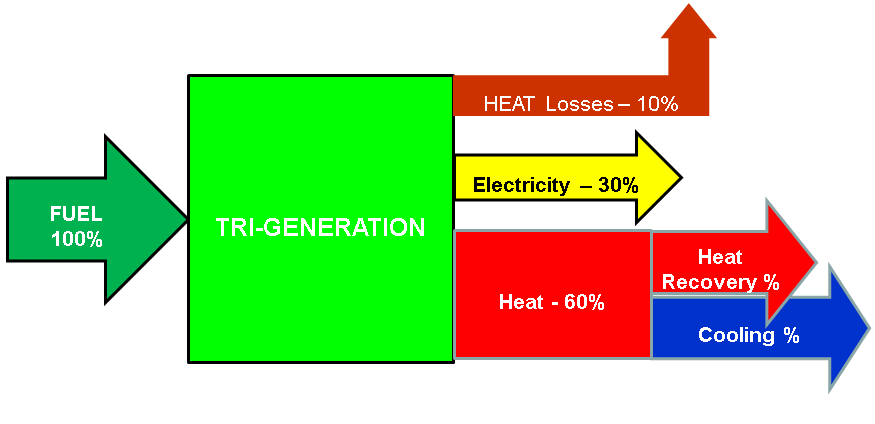
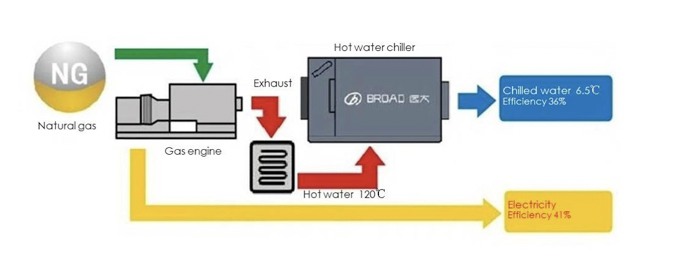
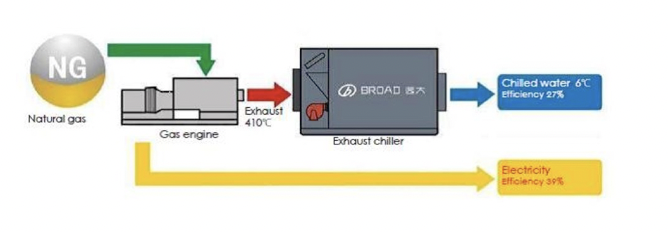
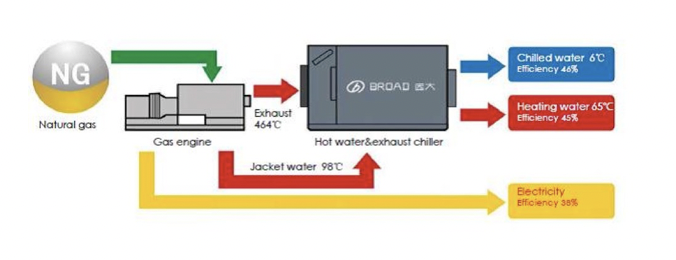
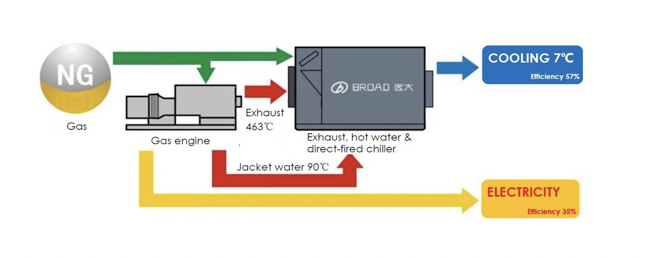
Tri-generation is the production of electricity, heat and cooling in the one process. Typically, this means a gas fired generator producing electricity and heat with the exhaust heat going to an absorption chiller which produces chilled water and hot water for air conditioning or alternatively the heat is used to heat a swimming pool. The ratio of electricity produced and exhaust heat for the absorption chiller and then the ratio of cooling to heating can be varied to meet the specific site requirements.

History

The first public electricity supply in the world was the cogeneration system implemented by Edison in 1882 to supply electricity and steam to Manhattan, New York, later converted to a tri-generation system which is now the eighth largest decentralized energy network in the world.


Why tri-generation?
The Benefits of a Tri-generation System

  • Savings on energy costs

Using tri-generation to produce electricity, and specifically when using gas to run the generator and produce heat for the absorption chiller instead of power from the grid to run the air conditioning plant, savings on energy costs in the order of up to 30% can be achieved, depending on the relative price of gas and electricity to the site.

  • Savings on Greenhouse gases

Producing electricity on site using gas produces approximately 30% less greenhouse gases than using power from the grid for an equal amount of power output.

  • Back-up power to the site

A tri-generation plant can provide a substantial proportion of a site's power and in the case of a black-out can provide a proportion of the site's energy requirements.


BROAD's role in tri-generation (CCHP)

  • 1998

BROAD begins its collaboration with US DOE on developing a seamless CCHP system.

  • January 2001

BROAD participates in the world's first CCHP project with the construction of UMD.

  • Since 2001

BROAD CCHP has been put into commercial operations all around the world.

Case studies


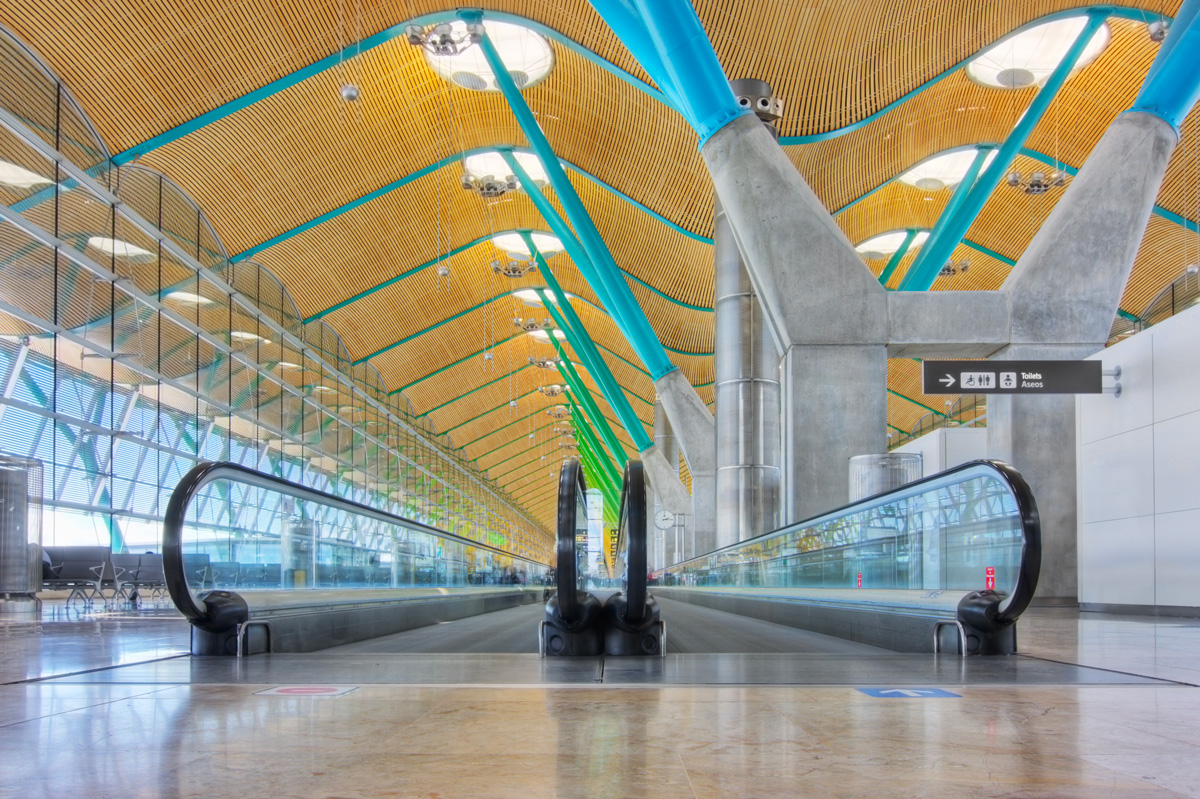
Madrid Airport, Spain

One of the biggest aviation centers in Europe (6 hot watter chillers).

  • Chiller model: 6 x BDH284IX80/120-35/29-6.5/13.5-300
  • Single stage hot water chiller
  • Cooling capacity: 19,800 kW
  • Power generator capacity: 33,000 kW (6 x Wartsila gas engines)
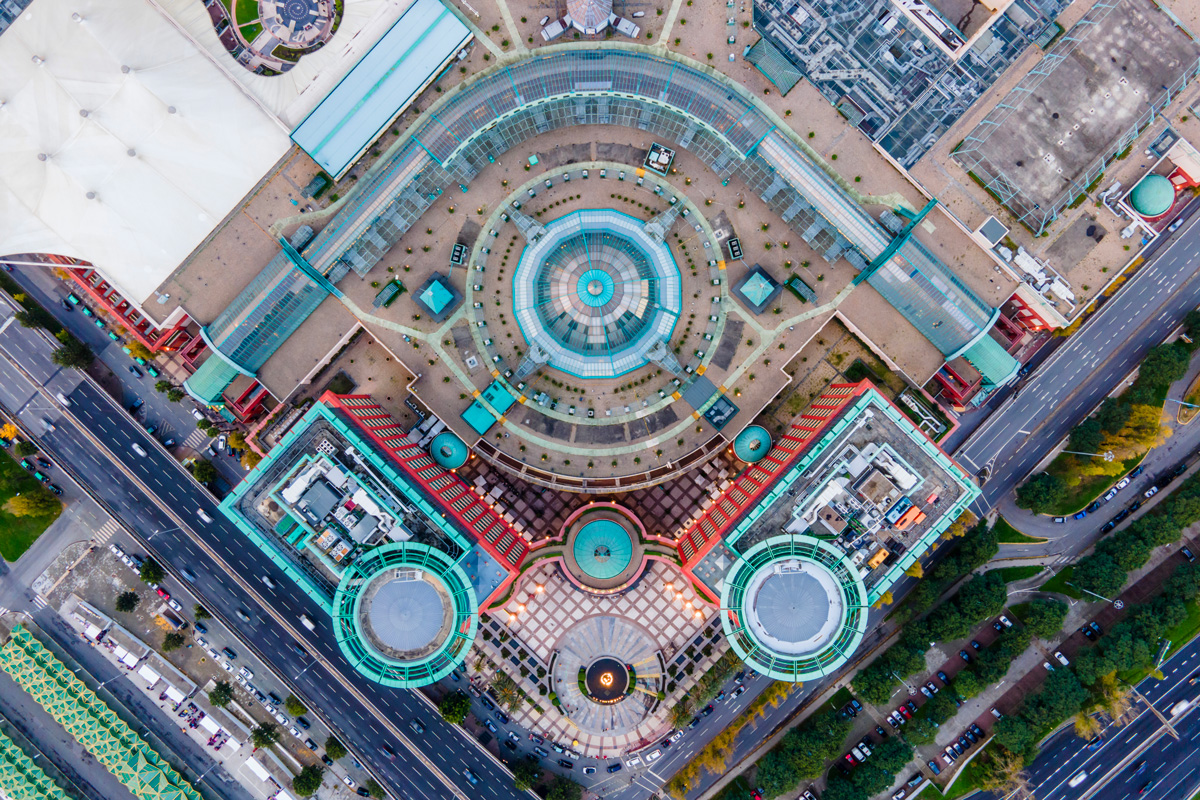
Shopping mall, Lisbon, Portugal

One of the largest shopping and leisure malls in Europe, including dozens of restaurants, health club, multiplex cinema, funfair.

  • Chiller model: 2 x BE155X410-33/28-6/12-d-200
  • Cooling capacity: 3,600 kW
  • Power generator capacity: 6,000 kW (2 x Jenbacher gas engines) 
Enfidha Airport, Tunisia

The most advanced airport in North Africa

  • Chiller model: 2 x BHEY187X464-88/98-90/70-37/32-6/12-w-250
  • Cooling capacity: 4,350 kW
  • Power generator capacity: 4,349 kW (2 x CAT gas engines)
India

The world's largest conventional distributed energy system, which remained unaffected by the nationwide power outage in India in July 2012.

  • Chiller model: 33×Exhaust, hot water & direct-fired chillers
  • Cooling capacity: 270,000 kW
  • Power generator capacity: 186,000 kW (59 × engines & gas turbines)
 

Information about ?
A quote ?

Our missions
Zero breakdowns
Zero breakdowns
Long-term high efficiency
Continuous innovation
Energy efficiency
Energy efficiency
Worldwide remote monitoring
Contact
10 boulevard de l'Oise 95000 Cergy